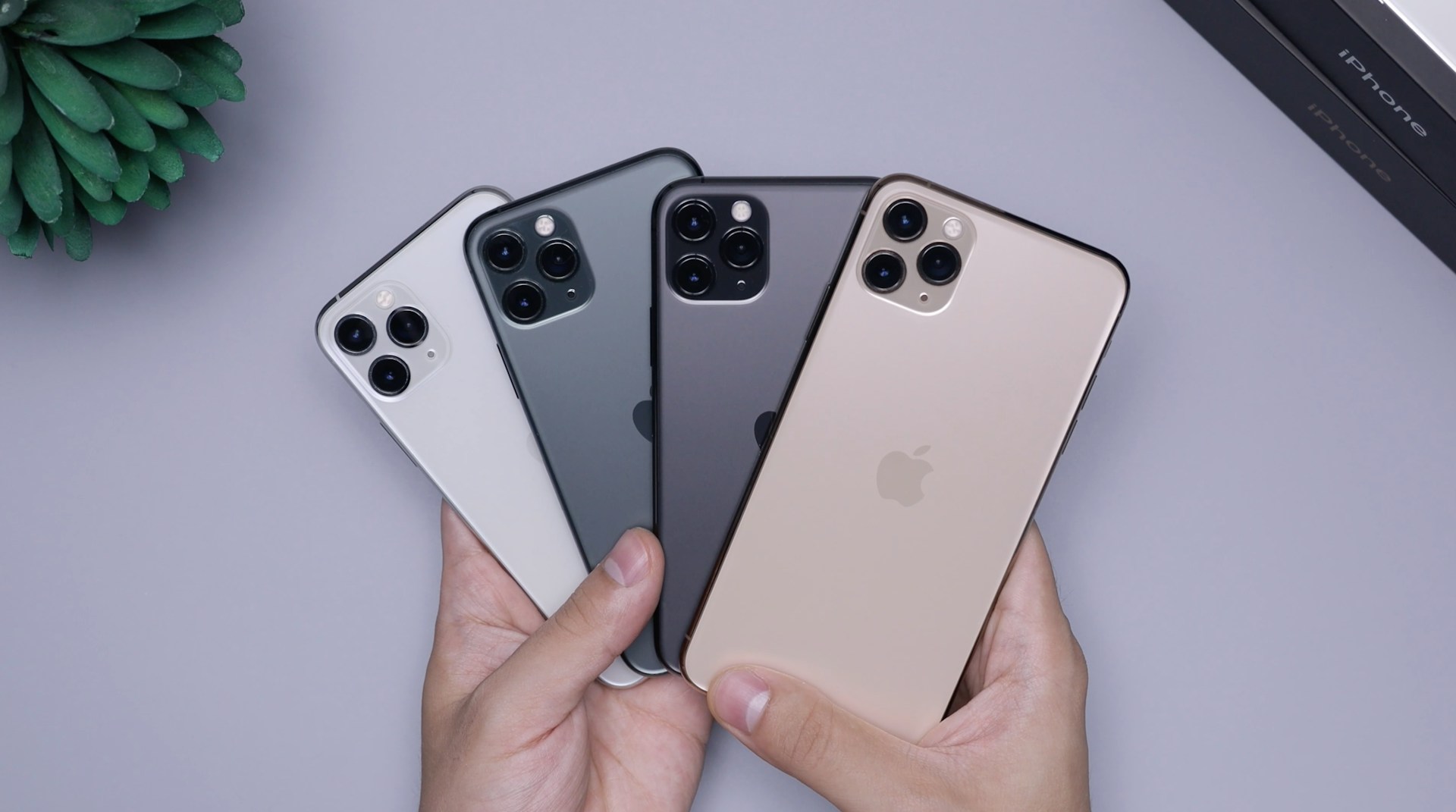
Apple Inc.’s share price has plummeted due to the Trump administration’s threat of imposing additional tariffs. Still, there has also been a short-term advantage: customers are flocking to retail stores to purchase iPhones.
Workers at various Apple stores around the nation said their stores were packed over the weekend, with consumers voicing worries that prices will sharply increase once the levies are implemented.
China produces most of Apple’s most significant and best-selling product, the iPhone, which is subject to 54% tariffs.
People were panic-buying phones at their store, according to one employee.
The employee, who wanted not to be named since they were not authorized to talk publicly, stated, “Almost every customer asked me if prices were going to go up soon.”
Employees described the atmosphere as similar to the hectic holiday season, even if retailers did not necessarily experience the queues accompanying an iPhone launch.
“People are just rushing in worried and asking questions,” one said, adding that the company hasn’t provided stores guidance on handling such inquiries.
The excitement has resulted in more purchases. According to a person with knowledge of the situation, sales at Apple’s retail locations in the United States over the weekend exceeded previous sales in at least a few significant markets. A representative at Apple chose not to comment.
CEO Tim Cook and CFO Kevan Parekh will get a chance to discuss the impact of anticipated tariffs when Apple releases its fiscal second-quarter earnings on May 1. Cook stated that the company was evaluating the effect of the holiday-quarter conference call, but he did not elaborate.
The collapse of the stock market due to tariffs has particularly affected Apple. In the last two trading days of last week, the company’s value dropped by over half a trillion dollars, and the stock had its most significant three-day decline since the dot-com bubble burst in 2001.
The business has been stockpiling merchandise as part of its preparations for the levies. According to Bloomberg News, Apple is pushing more Indian-made smartphones into the US market to lower the toll in the future. Currently, the nation will pay less in taxes than China.
Additionally, Apple has spent years moving more of its manufacturing to Vietnam, where tariffs are lower than in China. The corporation has produced iPads, Macs, AirPods, and Apple Watches in that nation. Additionally, it manufactures a few Mac models in Malaysia, Thailand, and Ireland.
Apple’s flagship shop on Fifth Avenue in New York was bustling on Monday afternoon. Buenos Aires native Ambar De Elia was already preparing to purchase an iPhone 15 for her younger sister when she was in New York. However, she believed this was the ideal moment to indulge after seeing the Wall Street headlines when she got up this morning.
In an attempt to predict how a 54% tariff on China might affect costs, analysts and industry observers have been speculating that iPhones may soon cost thousands of dollars each.
According to Bloomberg News, Apple is expected to take various actions to prevent prices from skyrocketing, such as exerting pressure on its suppliers and accepting reduced profits.
Since 2017, the starting price of Apple’s most recent flagship iPhone has stayed at US$999.
“I think everyone is here because of the fear, they don’t know what’s going to happen,” De Elia said.
“If we have the possibility to buy something at a lower price, of course we are going to.”
Over the next few days, a store clerk stated that he would not be shocked to see the rush at retailers continue. Although many customers are upgrading now, another employee pointed out that this is often considered the off-peak season because new iPhones are released in September.
The spike might support Apple’s third-quarter earnings, due in June. Tariffs will not likely affect the company until the next quarter because it sells the accumulated inventory.